

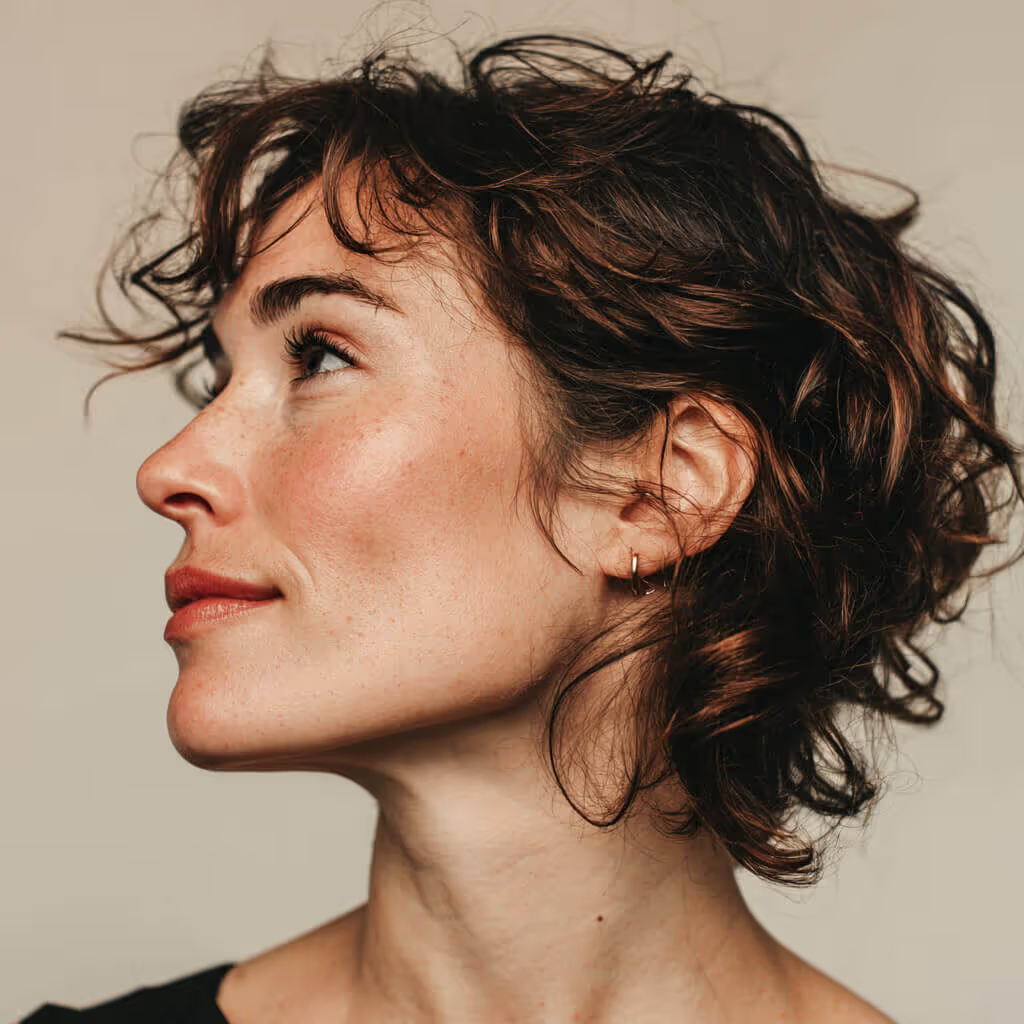
Hair loss in women is common misunderstood or ignored.
In our specialized practice, we develop medical solutions that are tailored to your hair type, genetics and lifestyle — from PRP to exosomes to personalized supplements and hormone analyses.
Why women
Losing hair
Hair loss in women, also known as female hair loss or androgenetic alopecia, is primarily caused by a combination of genetics, hormones, and age. Other factors such as stress, illness, nutritional deficiencies and certain medications can also contribute.
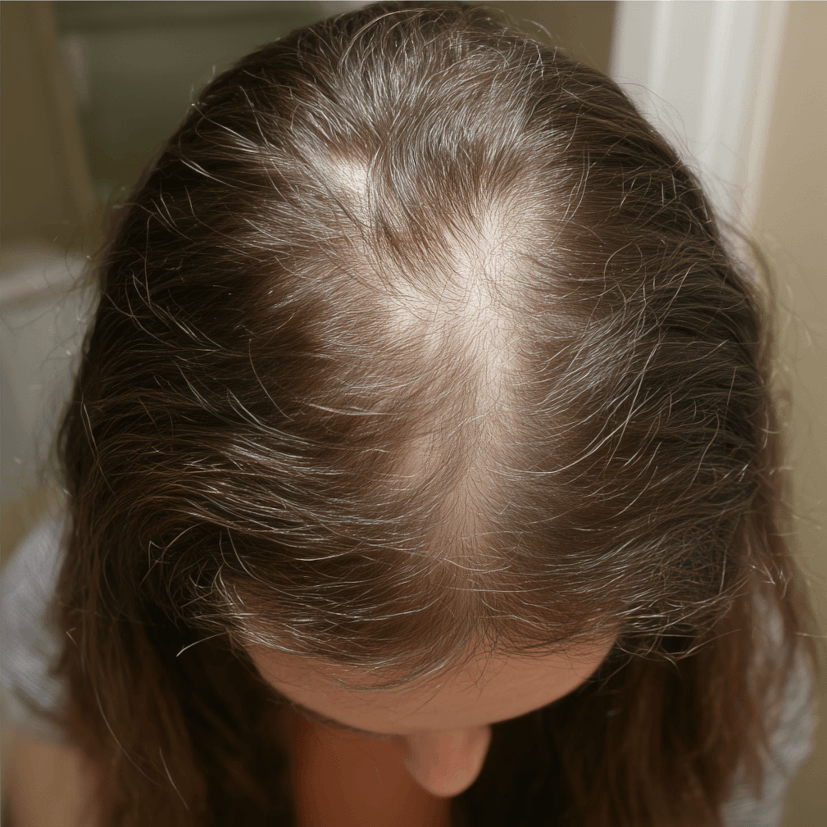
Androgenetische Alopezie
Androgenetic alopecia, also known as female pattern hair loss (FPHL) or female baldness, is a common condition in women characterized by progressive thinning of the hair on the head, primarily affecting the forehead and parting.

Diffuse Ausdünnung
Diffuse thinning refers to a general reduction in hair density across the entire scalp, not just localized hair loss in specific areas such as the hairline or parting. It is characterized by an even decrease in hair thickness and volume, making the scalp more visible.
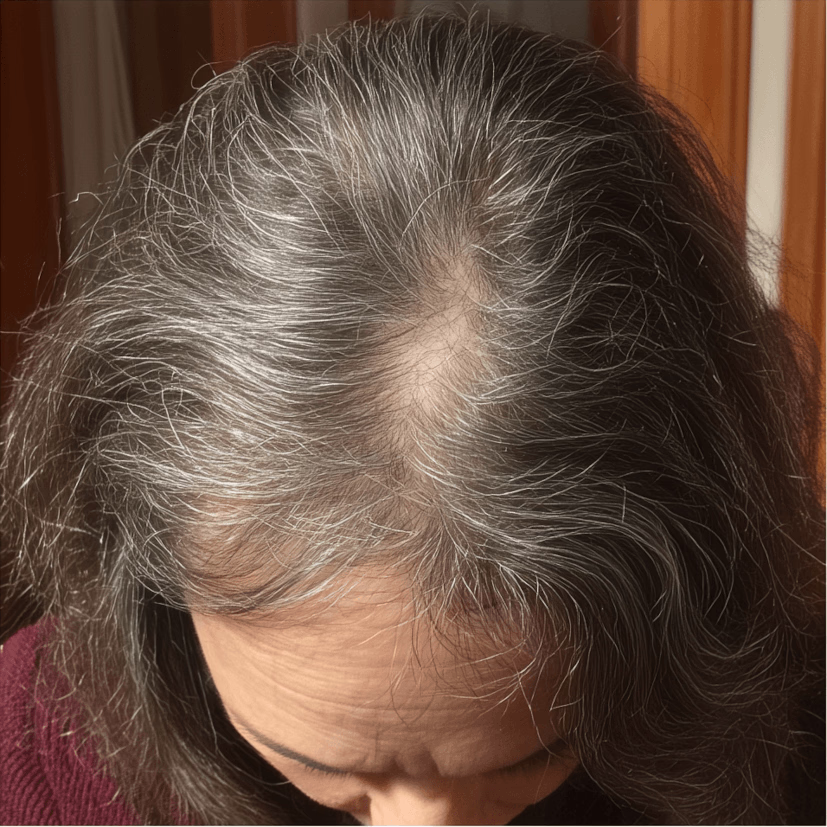
Menopausaler Haarausfall
Menopause-related hair loss, also known as female pattern hair loss or androgenetic alopecia, is a common experience among women in perimenopause and menopause. The main cause is hormonal changes, particularly a decline in estrogen and progesterone and a relative increase in androgens such as testosterone.
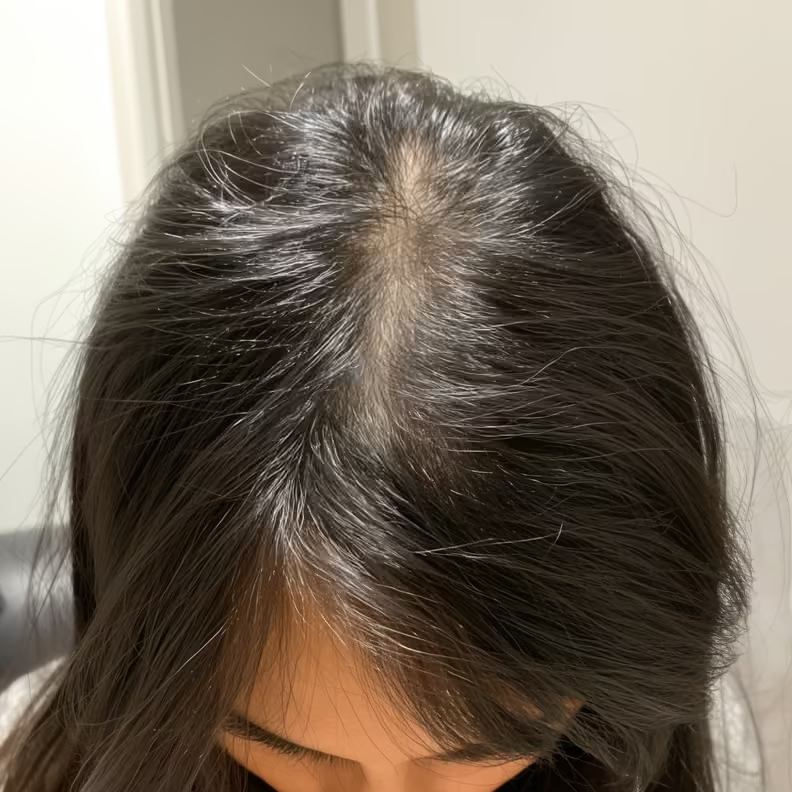
Postpartaler Haarausfall
Postpartum hair loss, also known as telogen effluvium, is a common condition in which women temporarily lose hair after giving birth. This is due to the significant hormonal changes, particularly the drop in estrogen levels, that occur after childbirth.
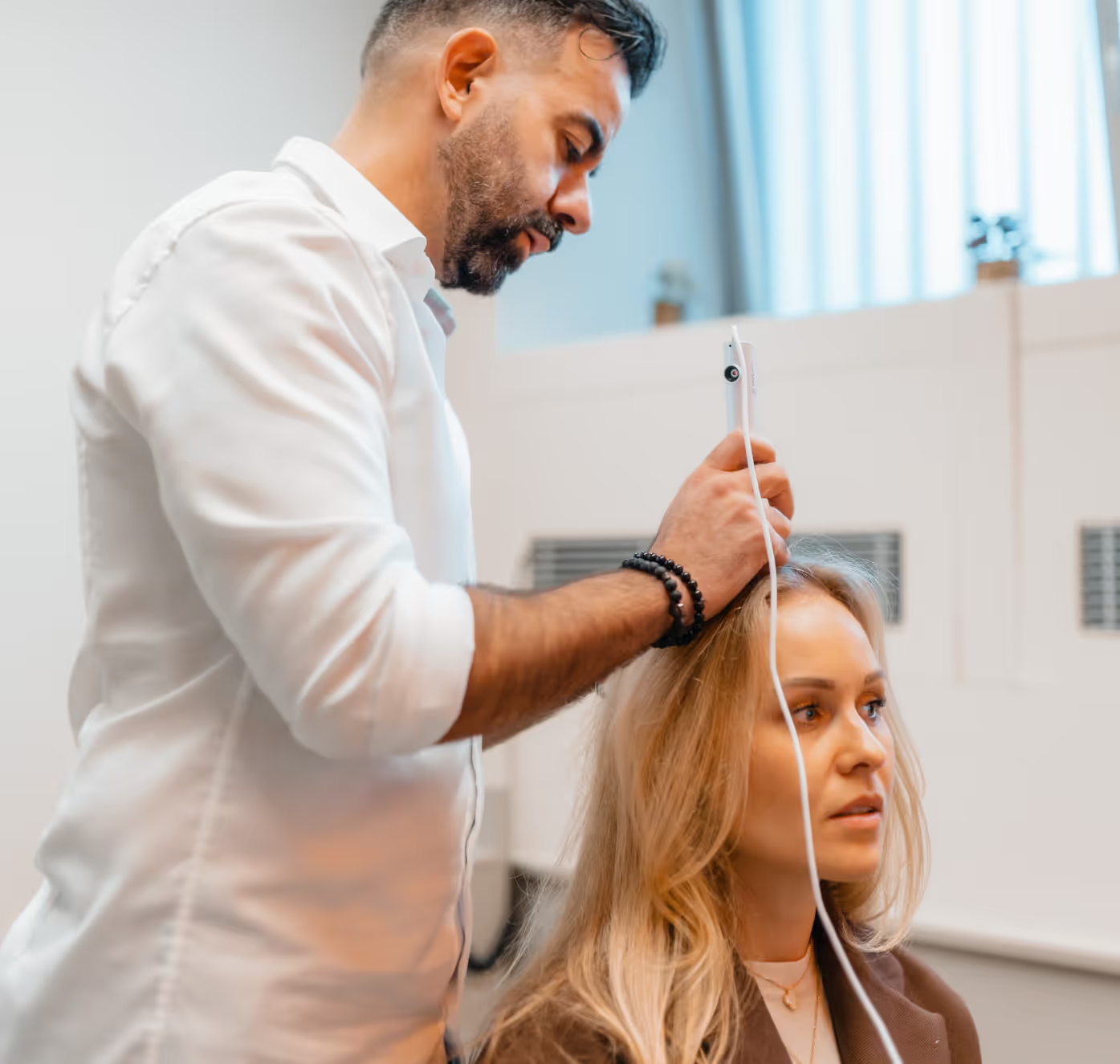
That's how we treat Mara.
Doctor-guided diagnosis: No guesswork.
Individual treatment options:
PRP & exosomes

Our own recipe
Individual nutritional supplements
Your hair loss has a cause. We'll find them and treat them.
VISIBLE RESULTS
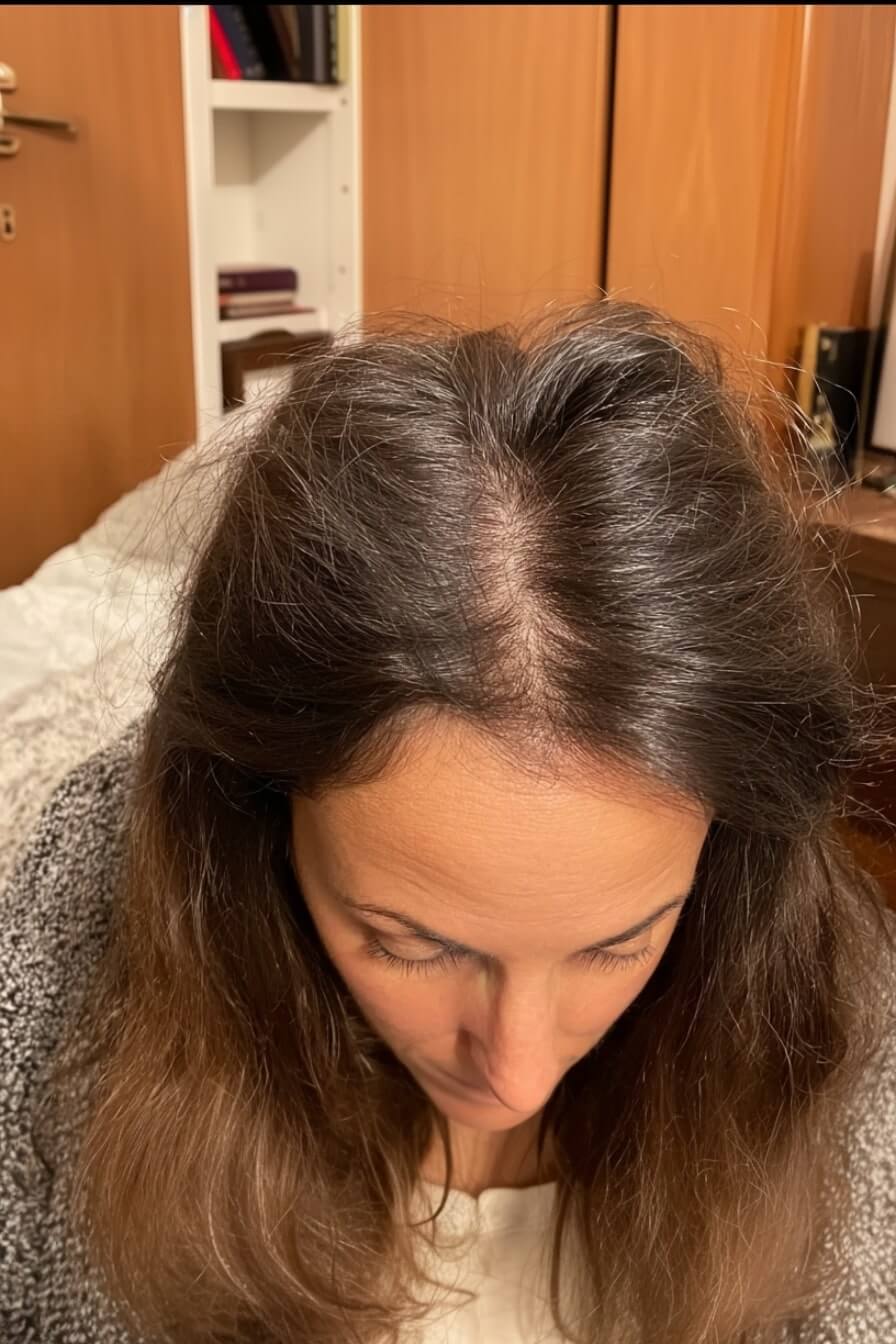
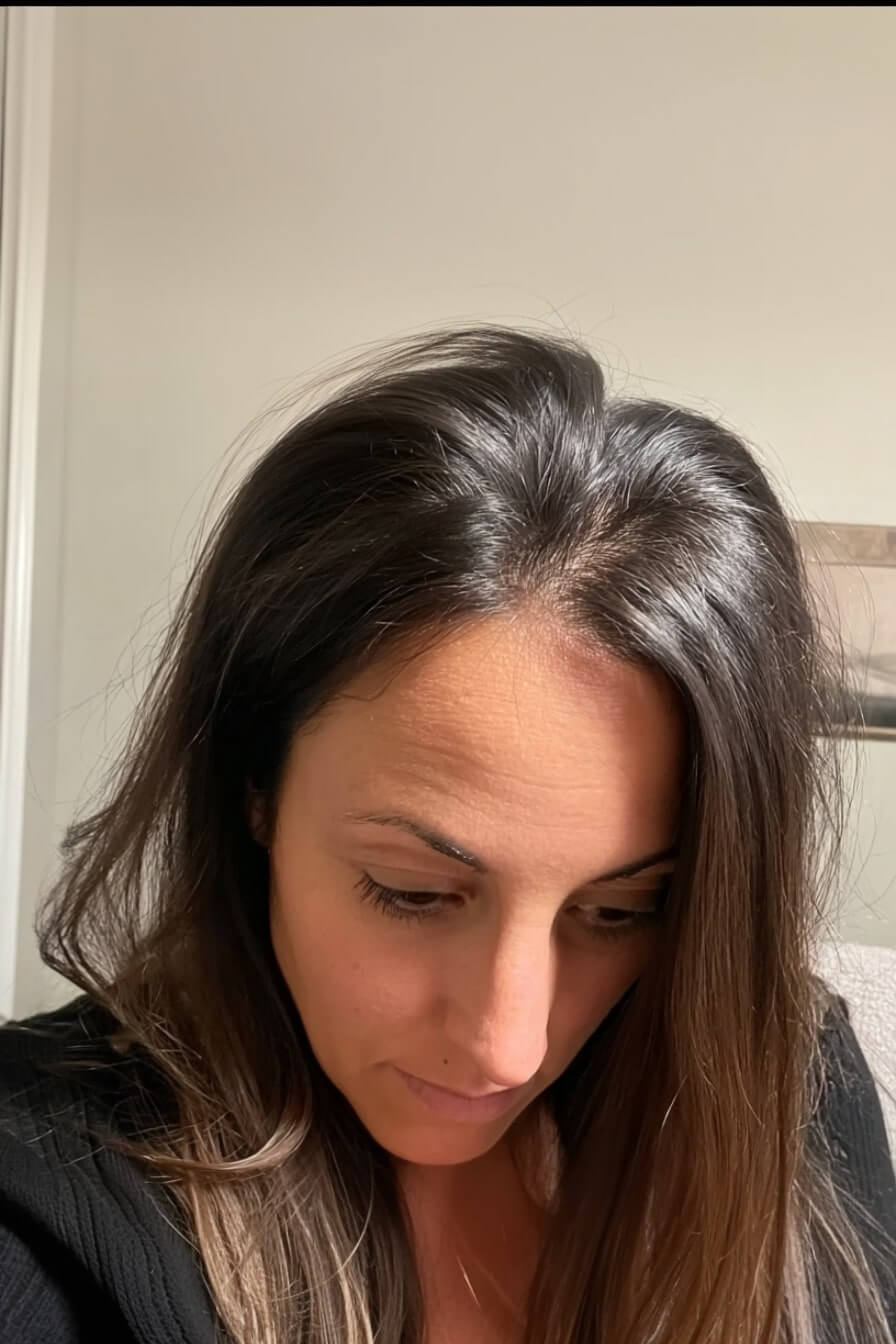
Jasmina L.
- Deutlich volleres
- kräftigere Haarstruktur
- Natürliches Volumen
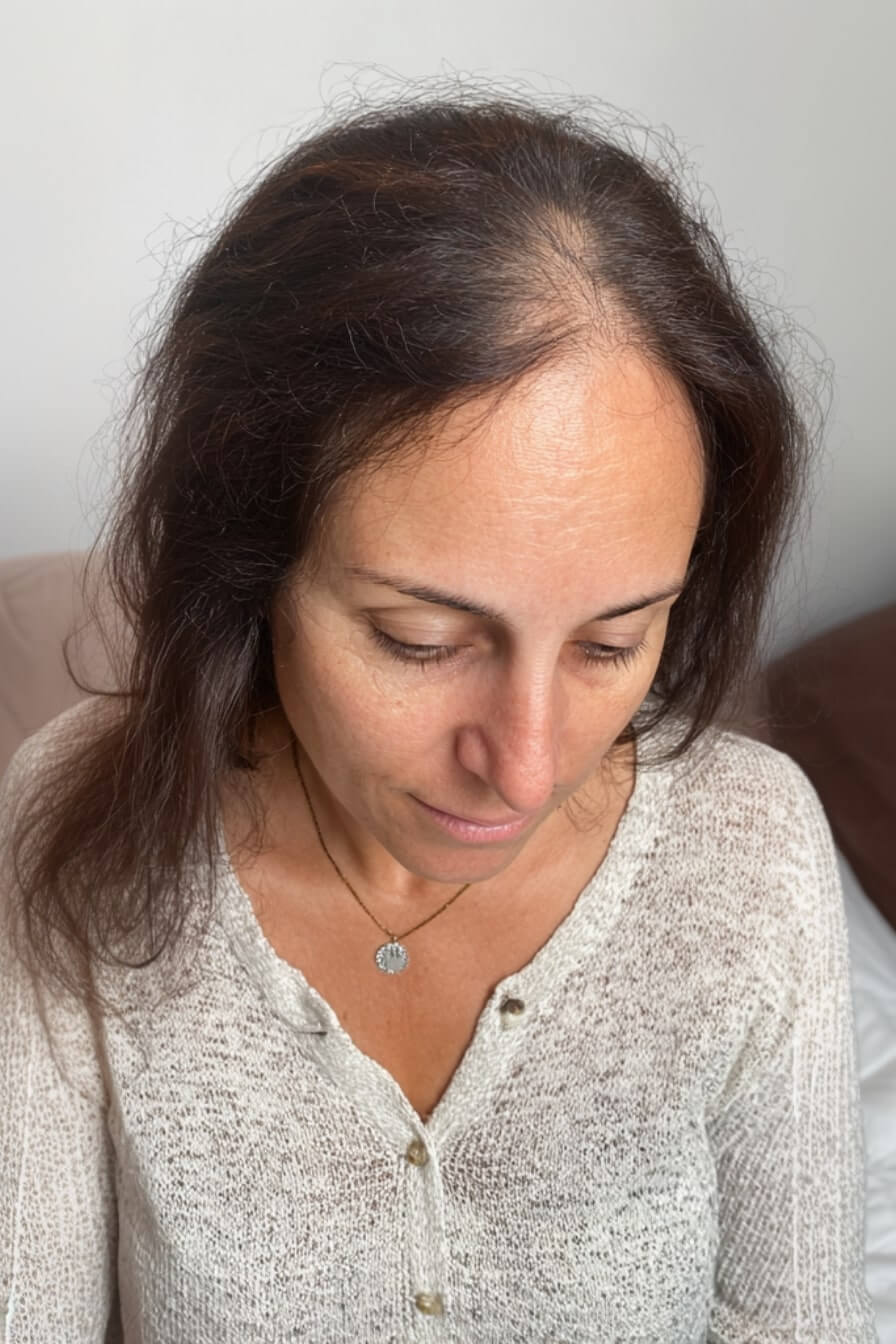
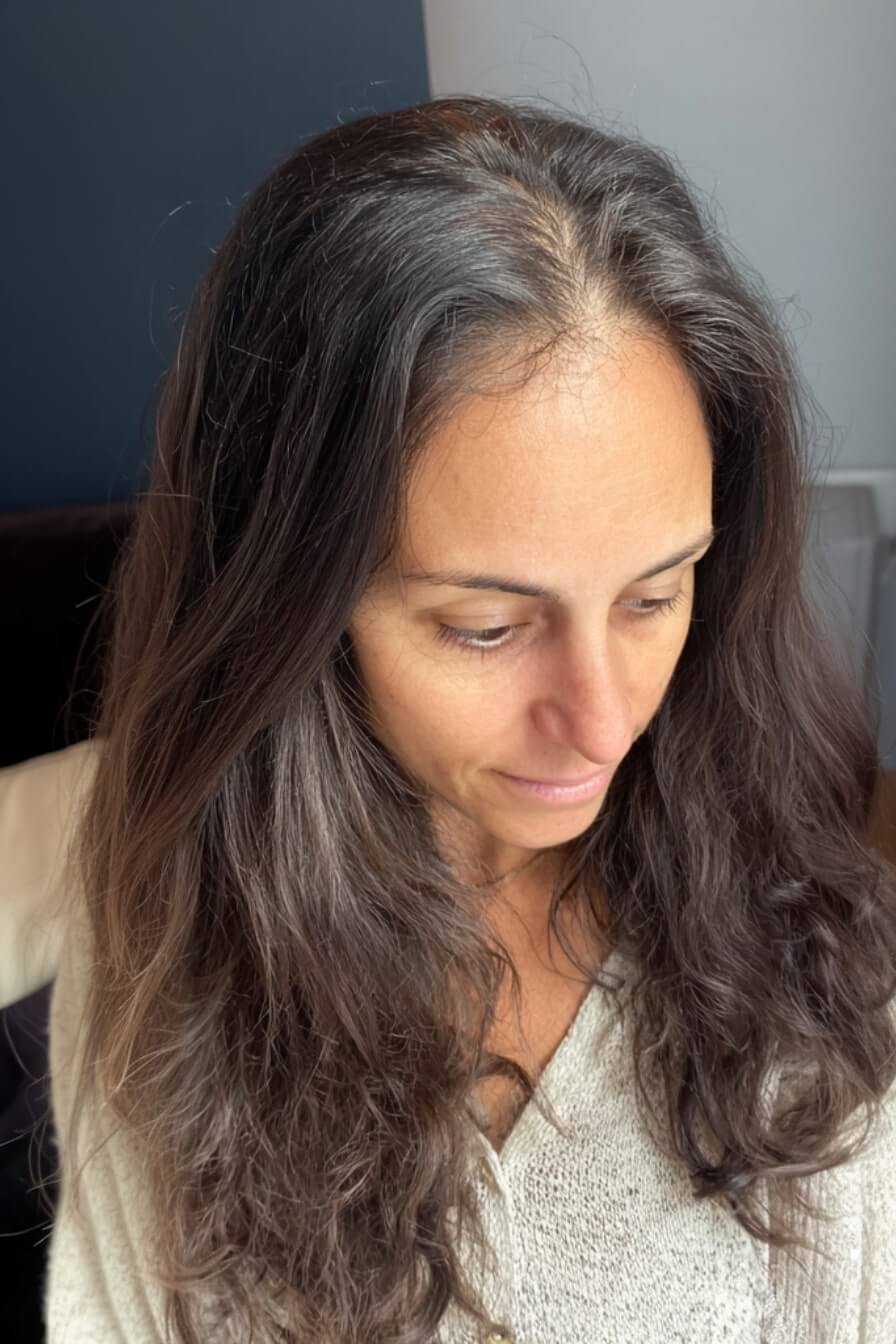
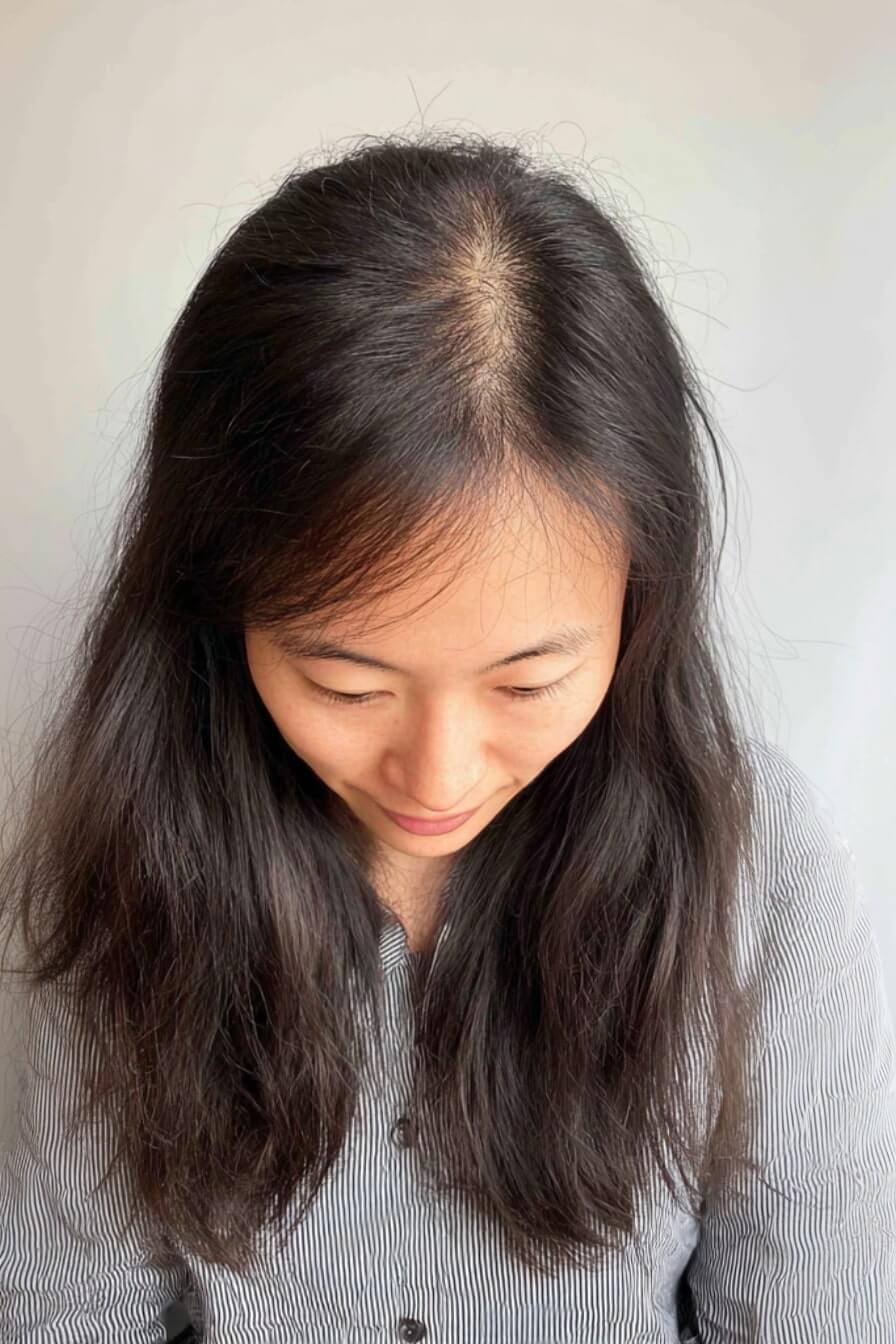
Emilia L.
- Füllung im Stirnbereich
- gesünder wirkendes Haar
- Harmonischer Haaransatz
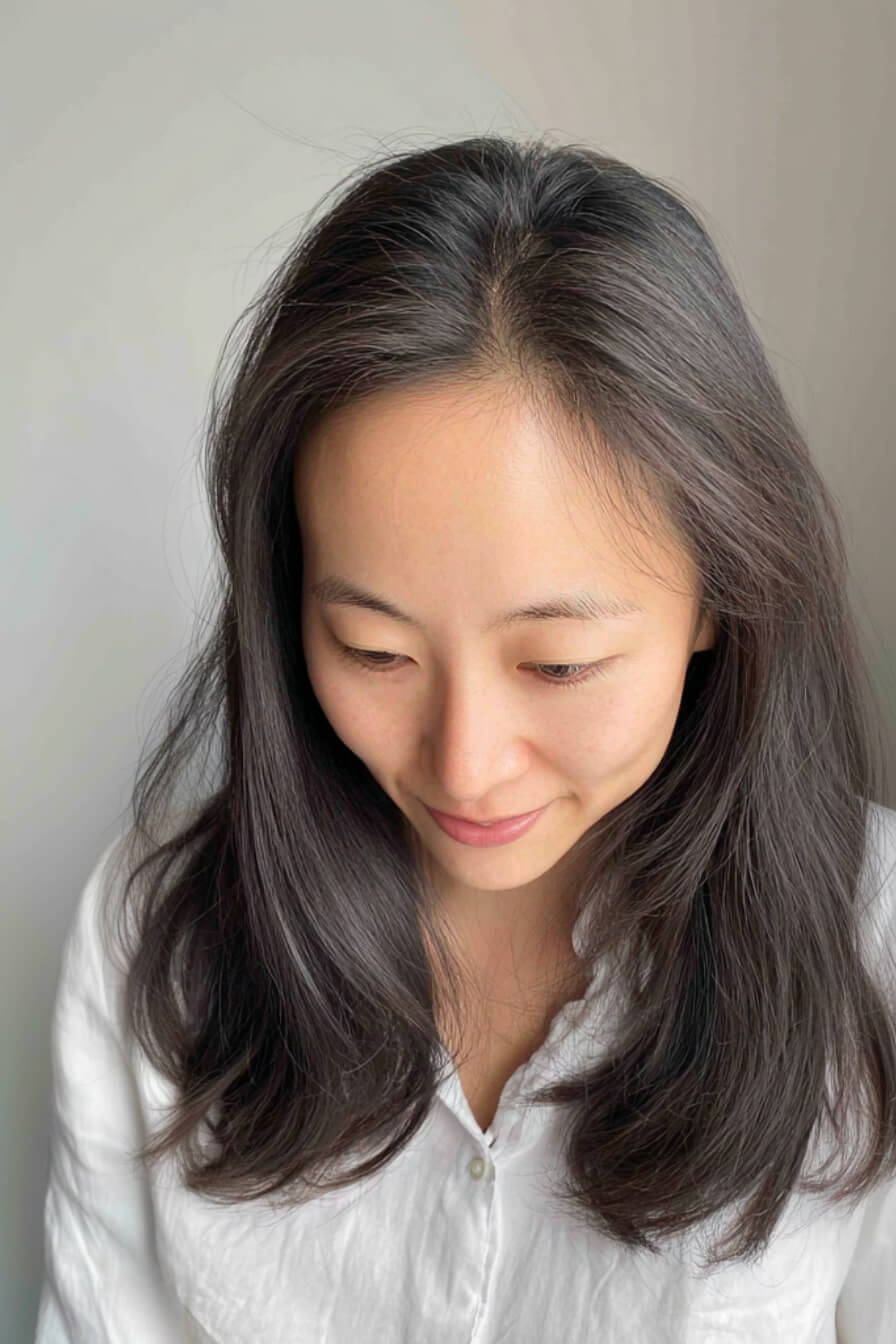
Takomi O.
- Mehr Volumen
- Kräftigeres Haar
- Sichtbare Verdichtung
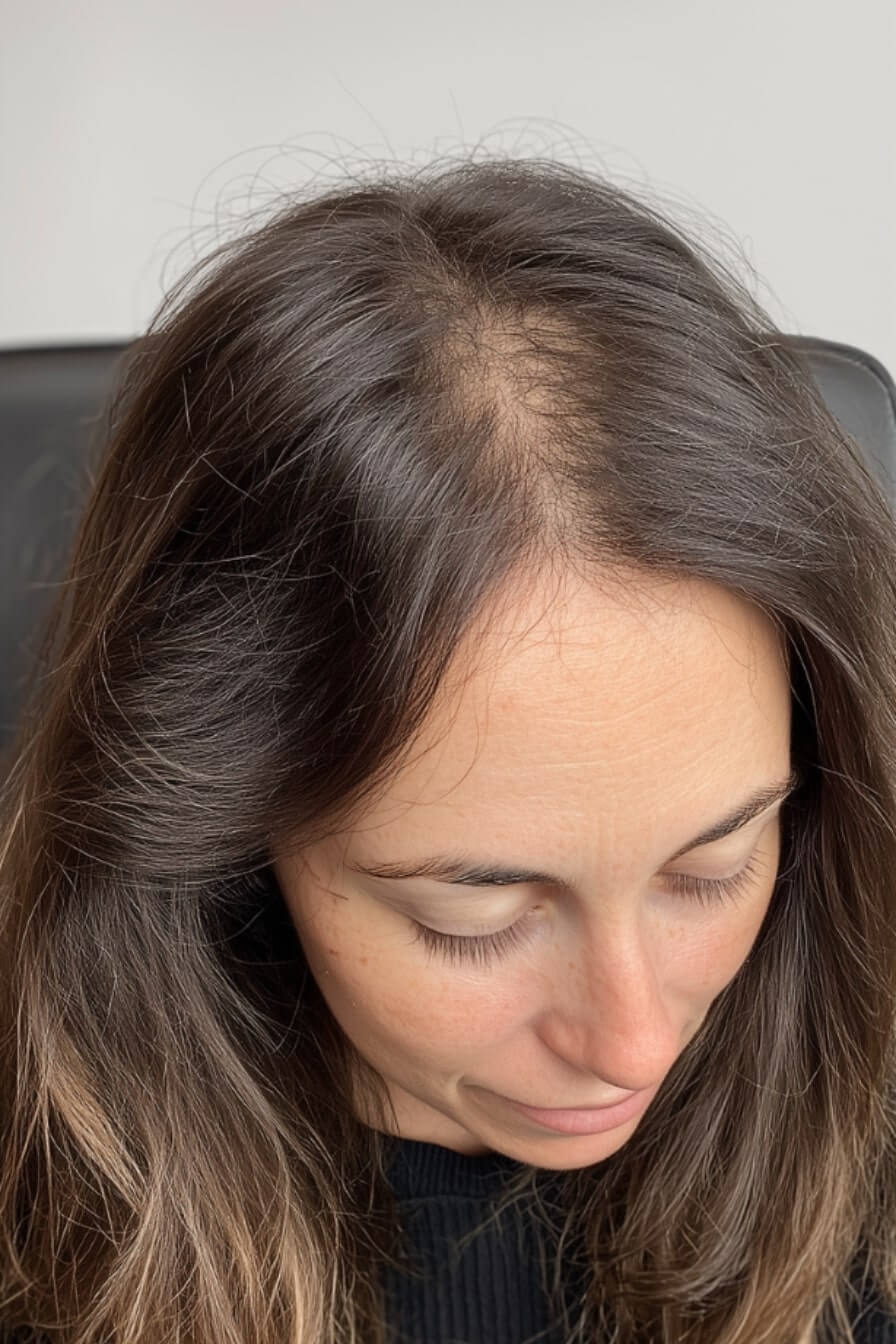
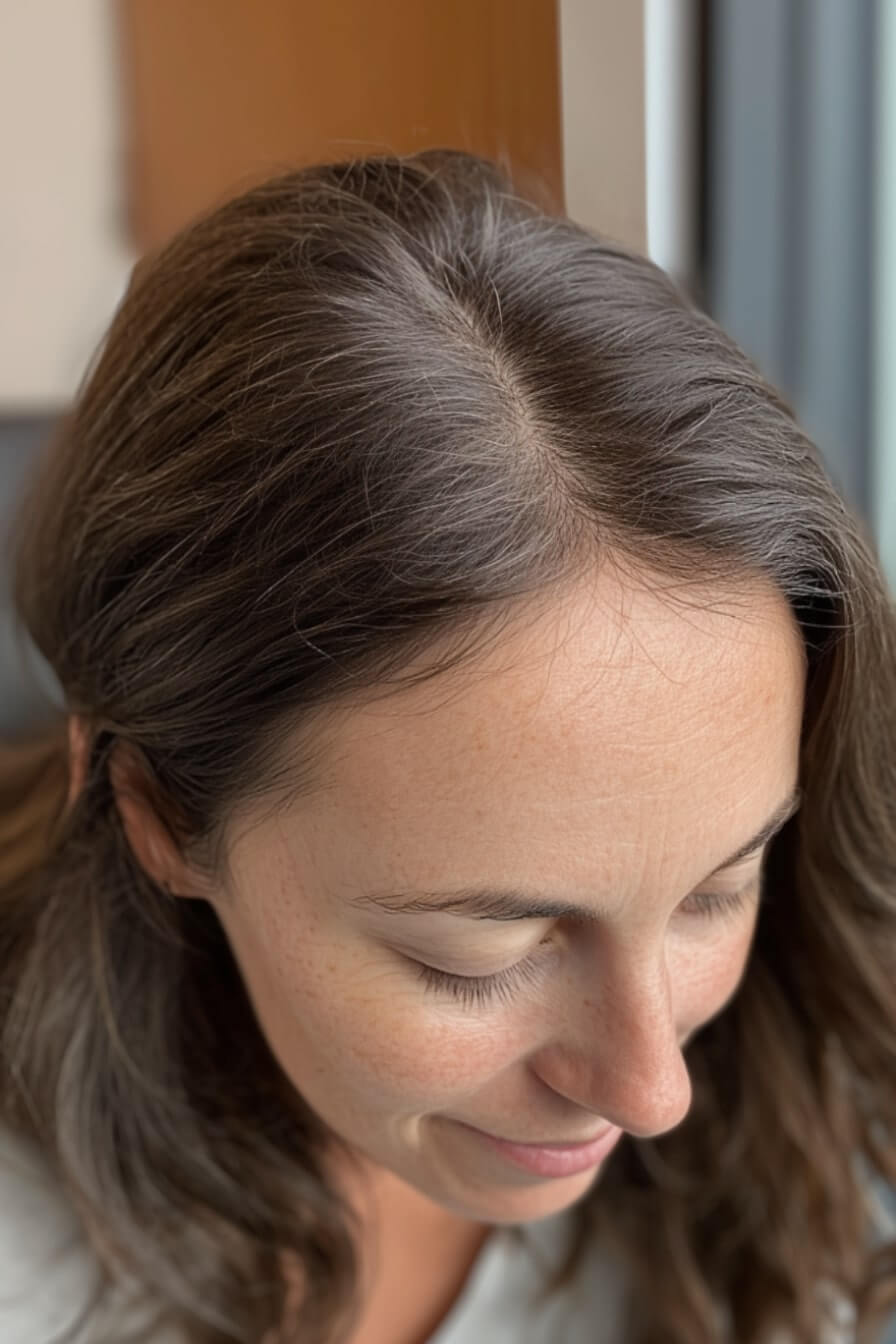
Jana F.
- Verdichtung im Scheitelbereich
- kräftigeres Haar
- Natürliches Haarbild
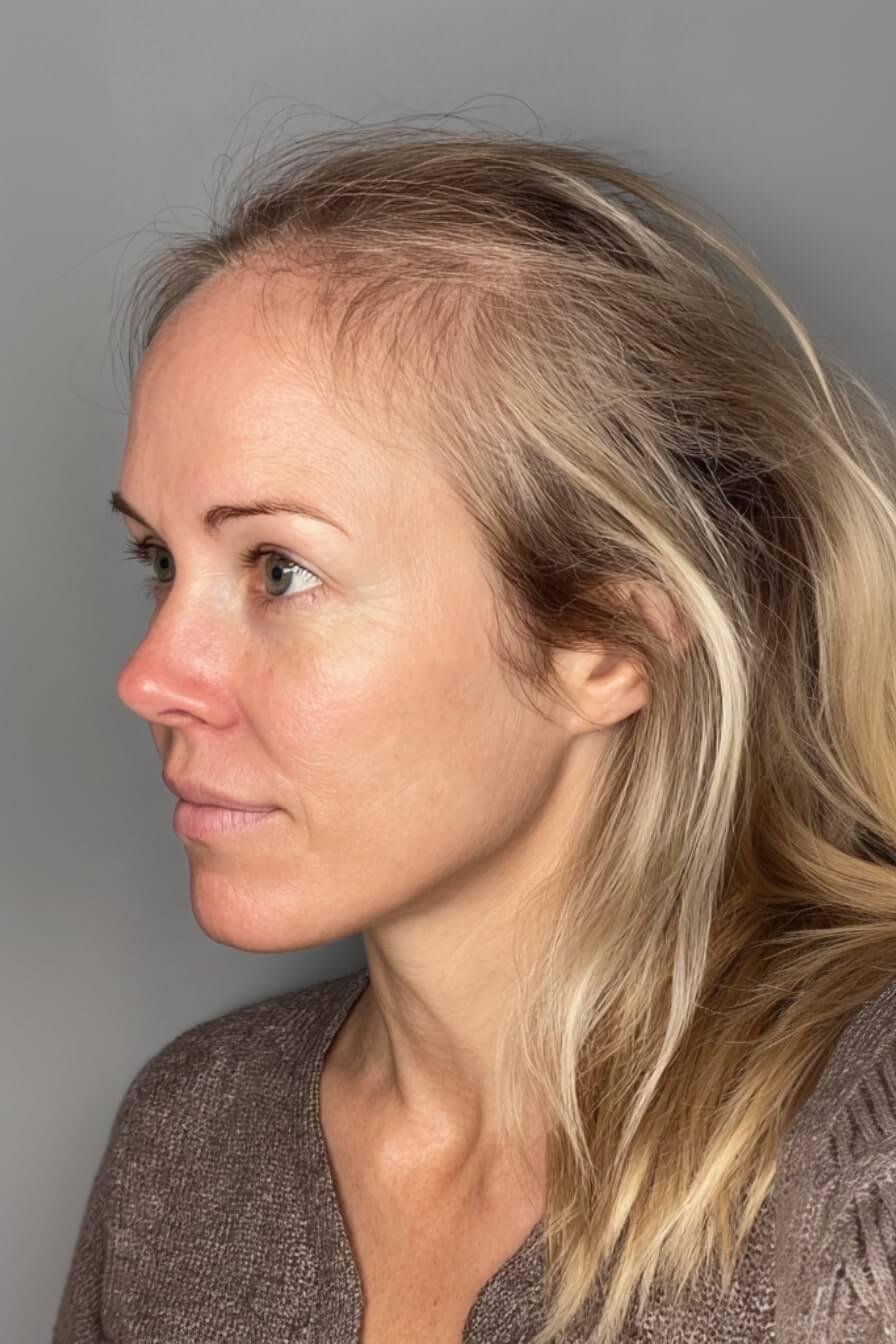
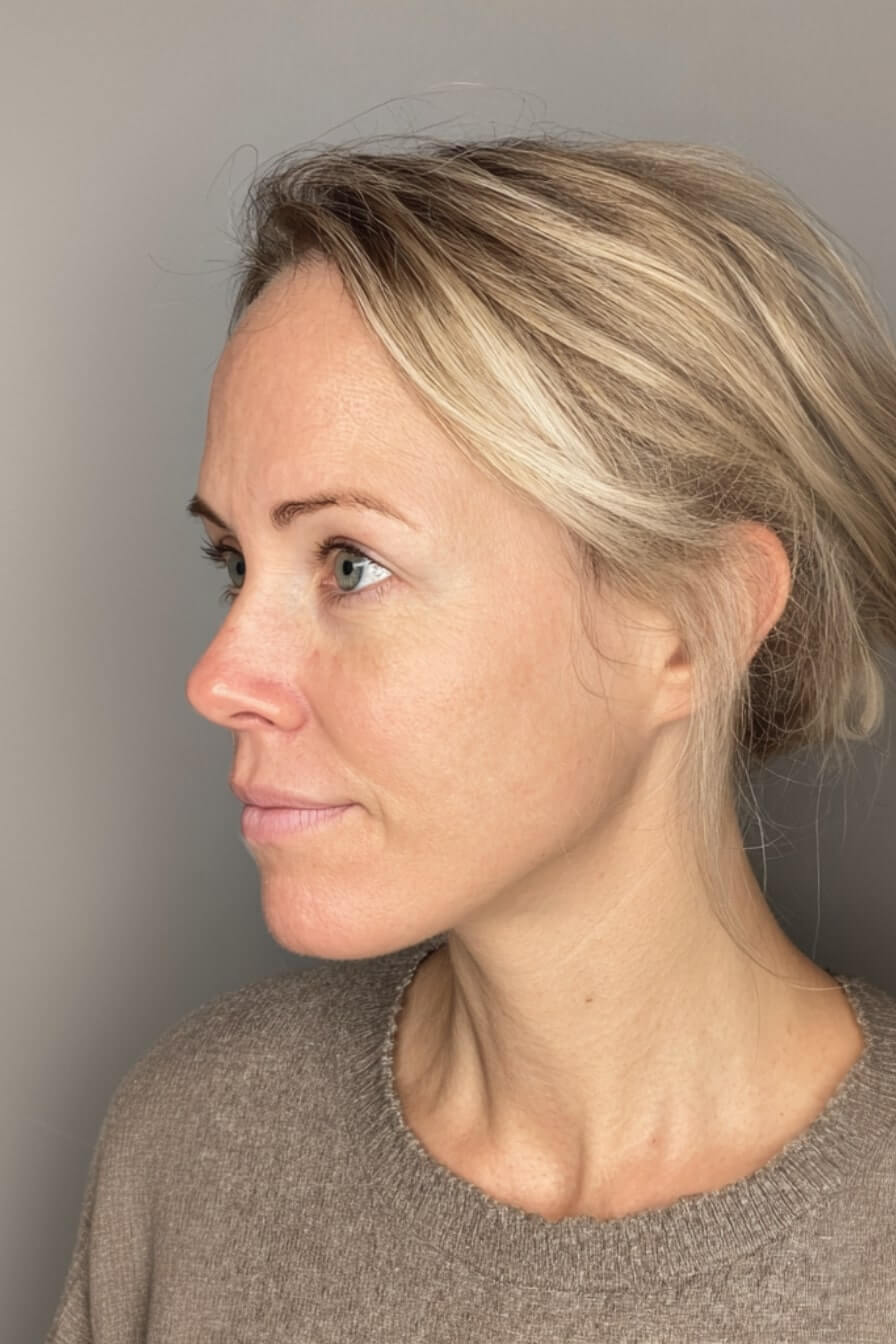
Marie S.
- Auffüllung der lichten Schläfenbereiche
- Stärkere Haarstruktur
- definierter Haaransatz
REAL EXPERIENCES
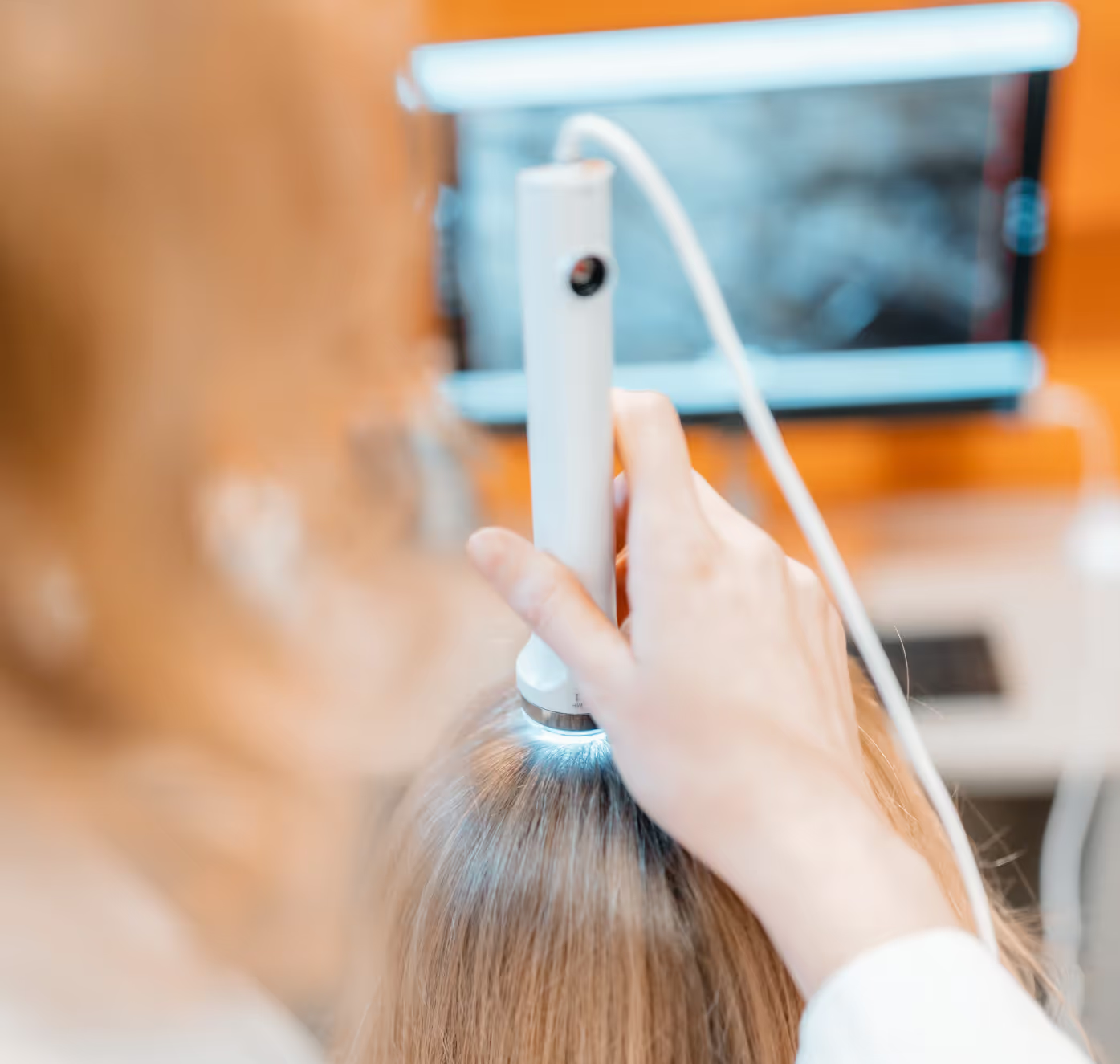
Discover the cause of your hair loss
— with a free hair analysis.
In our modern practice in Zurich, our experienced team of experts analyses the causes of your hair loss — with the help of professional hair analysis and additional blood tests. This is how we develop an individual and targeted solution that is precisely tailored to you.

Frequently asked questions
What should you avoid if you are experiencing hair loss?
What treatments help with hair loss?
What treatments help with hair loss?
How can you identify the type of hair loss?
What are the causes of hair loss in women?
What is hair loss in women (alopecia)?
What should you avoid if you are experiencing hair loss?
What treatments help with hair loss?
What treatments help with hair loss?
How can you identify the type of hair loss?
What are the causes of hair loss in women?
What is hair loss in women (alopecia)?